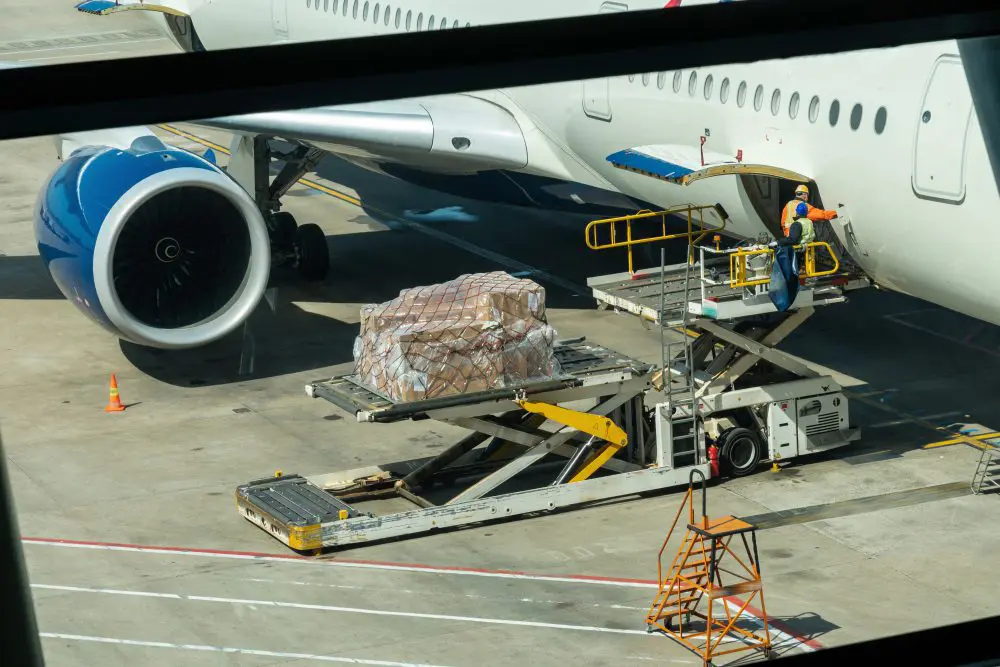





Picture this: your trade mark shows up on bags, sneakers or perfumes that are not produced by you. The goods arrive through Schiphol Airport or the Port of Rotterdam, neatly packaged and ready to hit the market. Fortunately, Dutch Customs intercepted the shipment, but that is when the real challenges start. In this blog, we explain how the customs procedure works for trade mark owners, what deadlines apply, and what to watch out for.
Customs Protection
Everything starts with an application for action. Trade mark owners can request Customs to actively intervene in shipments that may infringe their intellectual property rights. As part of this request, trade mark owners specify the criteria Customs can use to verify the authenticity of products. Examples are the country of origin or specific authenticity features of the product itself. Customs has 30 working days to decide on the application. A decision is valid for a maximum of one year, but can be renewed. The renewal request must be received at least 30 days before the expiry date, otherwise Customs may refuse the renewal.
Customs in Action
Once the decision has been granted, Customs will actively monitor shipments. If they come across a shipment suspected of infringement, they will suspend its release or detain the goods. The rights holder’s contact person (often a lawyer) and the importer are then notified. Upon request, Customs can also provide information about the quantity and nature of the goods, the names and addresses of the sender, the consignee and the declarant, and the origin and destination of the shipment. To increase the chances of detecting infringing products, it is important to train customs officers in distinguishing genuine goods from counterfeits.
Deadlines After Detention
Once Customs notifies the trade mark owner, strict deadlines apply. From the moment a shipment is detained, the trade mark owner has ten working days (or just three working days for perishable goods) to confirm in writing that infringement has occurred and to agree to the destruction of the goods. If the trade mark owner fails to respond in a timely manner or responds incompletely, Customs will release the goods without further action.
Within that same period, the importer can also respond. If the importer agrees to destruction, the matter is closed. However, if the importer objects, the trade mark owner is required to initiate civil proceedings within those ten working days and to notify Customs accordingly. In appropriate cases, this deadline may be extended by up to ten additional working days.
This is the point where many trade mark owners are caught off guard. They are often unaware of the obligation to commence legal proceedings and of the practical steps and costs that come with it. Specifically, a writ of summons must be served on the defendant by a bailiff within the deadline. To make matters more complex, the defendant is often not located in the Netherlands. This means finding a bailiff capable of effecting service in the relevant country within a very short timeframe, as well as a translator to translate the documents. If the trade mark owner fails to initiate proceedings and inform Customs within the deadline, the goods will be released.
The consequences of failing to meet this obligation can be far-reaching. Customs may revoke the decision granting the application for action, or suspend customs enforcement for the remainder of the decision’s validity period. This means counterfeit goods will generally no longer be intercepted and will enter free circulation. Once that happens, enforcement becomes considerably more difficult. Instead of intercepting goods at the border, the trade mark owner is left chasing counterfeits across the market.
Be Aware: The Costs Are on the Trade Mark Owner
Trade mark owners are often surprised to learn that they are liable for all costs incurred by Customs from the moment of detention or suspension of release. This includes storage costs and the costs of destroying the goods, all on top of the legal costs, such as lawyers’ fees and bailiff fees. The bill can increase quickly, especially for large shipments.
It is worth noting that this does not affect the right to recover costs from the infringer, but that is a separate procedure. Moreover, it can be difficult to identify the infringer, and recovery of the costs is not guaranteed.
Closing Remarks
The customs procedure is a powerful tool for trade mark owners, but it demands swift action and thorough preparation. Our Intellectual Property team represents various trade mark owners in customs enforcement matters. Would you like to know how we can assist you with a customs procedure or filing an application for action? Please feel free to contact one of our specialists.